You Made It, But Do You Own It? The Copyright Landmines Hiding Inside Your Bedroom Studio

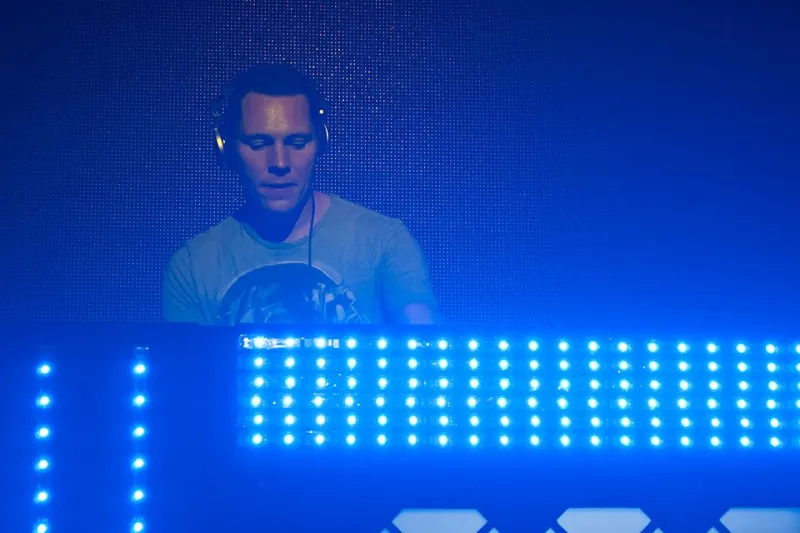
Photo: Erik A. Drabløs, CC BY 3.0, via Wikimedia Commons
You spent three weeks on that track. Every synth patch, every drum hit, every weird texture you layered in at 2 a.m. — that's your DNA baked into the mix. Nobody handed you a blueprint. You built it from nothing. So it's yours, right?
Maybe. But maybe not entirely.
The legal landscape sitting underneath modern DIY music production is way messier than most bedroom producers realize, and the gap between "I made this" and "I legally own this" can be surprisingly wide. Copyright law in the US wasn't exactly written with a guy in a studio apartment and a cracked copy of Ableton in mind. The rules are old, the gray areas are enormous, and the consequences of getting it wrong — even accidentally — can range from a takedown notice to a full-blown lawsuit.
Let's break down where the real danger zones are.
Your VST Might Not Be Giving You What You Think
Here's one most producers never consider: the sounds that come bundled with your favorite plugins aren't always free to use commercially, even if you paid for the plugin itself.
Every VST, sample library, and sound pack comes with an End User License Agreement — the EULA — and almost nobody reads them. That's a problem. Some EULAs are incredibly generous. Others have clauses that restrict how you can use the included presets and samples, particularly when it comes to reselling, sync licensing, or releasing music on certain platforms.
Native Instruments, Splice, Output, Arturia — they all have different terms. A loop you grabbed from a Splice subscription, for example, might be cleared for commercial release under their standard license, but only if you transform it enough to qualify as an original composition. What counts as "enough" transformation? That's where things get murky.
"A lot of producers assume that because they paid for something, they own the right to do anything with it," says entertainment attorney Marcus Webb, who has worked with indie artists across the US. "That's not how licensing works. You're paying for permission to use something under specific conditions. Step outside those conditions and you're in breach."
Before your next release, pull up the EULA for every plugin and sample library you used. It's tedious. Do it anyway.
The Interpolation Problem Nobody Talks About
Sampling a record without clearance is the copyright violation most producers know to avoid. But interpolation — recreating the feel, melody, or rhythm of an existing song using entirely original recordings — is the trap that catches people off guard.
Under US copyright law, melodies and lyrics are protected. Chord progressions generally aren't. But if your track sounds close enough to an existing hit that a reasonable listener would recognize the connection, you could be looking at a "substantial similarity" claim — even if you never touched the original recording.
This is exactly what happened in the infamous Blurred Lines case. Pharrell and Robin Thicke didn't sample Marvin Gaye. They recreated a vibe. A jury still awarded the Gaye estate nearly $7.4 million. That verdict sent shockwaves through the production community because it expanded the reach of copyright into territory that felt, to a lot of producers, like fair creative territory.
The takeaway isn't "never get inspired by anything." It's "know when inspiration crosses into imitation, and be honest with yourself about that line."
Accidental Infringement Is Still Infringement
Here's the part that genuinely stings: intent doesn't protect you.
You don't have to know you're infringing to be held liable. If a melody you wrote unconsciously mirrors something that's already protected — and you release it commercially — you can still face a claim. George Harrison learned this the hard way with "My Sweet Lord" back in the '70s. The court ruled his infringement was "subconscious" but still actionable.
For bedroom producers deep in a creative zone, pulling from everything they've absorbed over years of listening, the risk of accidentally recreating something familiar is real. One way to protect yourself is to run a finished melody through services like Songfile or work with a music clearance consultant before a major release. It's not a perfect system, but it adds a layer of documentation showing you did your due diligence.
The "I'll Clear It Later" Myth
Look, the indie music world runs on hustle and improvisation. Stuff gets uploaded fast. Deals get figured out later. That energy is part of what makes the scene alive.
But "I'll clear it later" is one of the most expensive phrases in music. Once a track blows up — once it's on a playlist, in a viral video, or getting sync interest — the leverage completely flips. Rights holders know you need them. The price goes up. Sometimes dramatically.
Worse, if a track gets used in a commercial context before clearance is sorted, you could be on the hook for back-payments, damages, and legal fees that dwarf whatever you made from the release.
If you're building something with an uncleared sample at its core, either clear it before you release or build the track so the sample can be removed or replaced if a deal falls through. Never let your entire release strategy depend on a rights holder saying yes.
So How Do You Actually Protect Yourself?
Here's the practical side of things — no law degree required.
Register your work. The US Copyright Office lets you register original compositions and sound recordings for a modest fee. Registration isn't required for copyright to exist, but it is required to sue for statutory damages and attorney's fees. If someone bites your work, you want those options.
Document your process. Keep project files, dated exports, and session notes. If a dispute ever arises about who created something first, a timestamped Ableton session is a lot more convincing than a verbal claim.
Read your EULAs. Seriously. Even a quick skim of the key sections — commercial use, redistribution, sync rights — can save you a nightmare down the road.
Use cleared sample sources. Platforms like Splice, Loopmasters, and Soundsnap offer commercially licensed content, but verify the specific terms for your use case. "Royalty-free" doesn't always mean "free to use everywhere for everything."
Talk to a music attorney before a big release. A one-hour consultation with someone who specializes in music law is a fraction of the cost of fighting a takedown or a lawsuit. If you're sitting on something you think could genuinely break through, protect it like it already has.
The Bottom Line
Nobody's saying creativity needs a lawyer in the room. The whole point of bedroom production is that raw, unfiltered process — just you and the sounds and whatever magic happens at weird hours of the night. That's the stuff worth protecting.
But protecting it means understanding the legal framework around it, not ignoring it. The copyright system in the US is complicated, sometimes frustrating, and not always fair to independent creators. That's just the reality.
Know the rules well enough to navigate them. Because the last thing you want is to finally make the track of your life and watch it get buried under a dispute you never saw coming.