Forget Brooklyn: Five Middle-of-Nowhere Cities Building Electronic Music's Real Future
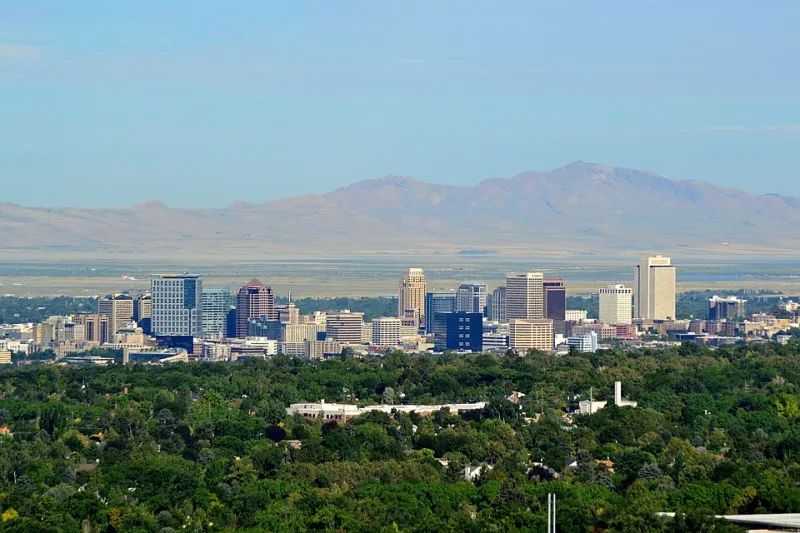
Photo: Garrett, CC BY 2.0, via Wikimedia Commons
Every decade, music writers hunt for the next Brooklyn. Then the next Brooklyn gets expensive, the artists leave, and the think pieces age badly. Meanwhile, the actual future of American electronic music has been quietly setting up shop in cities nobody writes about — places where rent is survivable, warehouse space is cheap, and there's nothing to do on a Friday night except make something weird.
Here are five worth watching.
Boise, Idaho
Boise's electronic scene grew out of a paradox: a conservative state capital with a surprisingly feral underground. The city'sBasque Block and a string of all-ages DIY spaces gave early cover to a wave of producers blending IDM textures with the wide-open, almost eerie calm of the high desert. The sound here tends toward patient — long ambient builds, field recordings of the Boise River, beats that hit like weather rolling in.
Who to know: Look for the producers orbiting Treefort Music Fest's underground showcases; the fest has become the scene's annual coming-out party, and its local lineup slots are where the next wave surfaces first.
Louisville, Kentucky
Louisville has always punched above its weight — it gave you Slint, after all. Its electronic scene inherited that post-rock DNA and ran it through modular rigs. Expect slow-burn, dynamics-heavy compositions: quiet, quiet, quiet, then a wall of analog noise that knocks the PBR out of your hand. Cheap riverfront warehouses and a deep bench of experimental musicians from the city's punk history make it a place where electronic and live-instrument scenes actually collaborate instead of glaring at each other.
Who to know: Follow the experimental night series around the Butchertown and Portland neighborhoods — that's where the modular heads and the noise kids cross-pollinate.
Albuquerque, New Mexico
The ABQ sound is desert goth meets low-rider bounce. Producers here work with the sonic palette of the Southwest: Mariachi-adjacent brass samples, cumbia rhythms bent through 808s, reverb drenched in enough space to feel like the Sandia foothills at 2 a.m. The city's poverty rate keeps commercial club culture thin, which means the underground fills the vacuum — desert raves, motel parties, gallery shows in spaces that were empty last week.
Who to know: The collective scene around Central Avenue, where Latin electronic producers and ambient artists share bills that would never happen in a market with rent this high.
Richmond, Virginia
Richmond is the sleeper of the bunch. A dense art-school pipeline (VCU), a hardcore scene with national respect, and cheap brick warehouses along the James created a pressure cooker. The electronic output skews aggressive — club mutations, footwork tempos, deconstructed rave — because it grew up sharing basements with hardcore bands rather than chillwave blogs. When Richmond producers go hard, you can hear the mosh pit in the mix.
Who to know: Anything attached to the city's DIY venue circuit, which has survived multiple shutdowns and keeps reconstituting like a horror movie villain.
Tucson, Arizona
Tucson might be the most sonically distinct of all five. A border city with a deep Mexican-American musical tradition and a university town's constant influx of new ears, it produces electronic music that's unapologetically bilingual — bachata guitar loops over house tempos, reggaeton percussion inside ambient frameworks. The heat pushes the scene nocturnal; parties start at midnight in summer and the music is built for that hour.
Who to know: The producers around the university-adjacent warehouse scene and the border-town cumbia-electrónica crossover acts slowly getting national remix requests.
Why 'Next Brooklyn' Is a Dead Narrative
The whole concept assumed talent flows one direction — toward the expensive coastal hub — and gets discovered there. That machine is broken. Distribution is free, collaboration happens over the internet, and the deciding factor in whether an artist can develop a sound is whether they can pay rent while doing it. Boise rent makes that possible. Bushwick rent makes it impossible.
The next great American electronic scene won't be discovered in a borough. It'll be found in a desert warehouse, a riverfront loft, a basement in Kentucky — wherever the rent is low and the night is long. If you're an artist choosing a city, that's the actual checklist.