Digging for Gold in the Vocal Bin: How Producers Are Building Careers on Rare A Cappellas
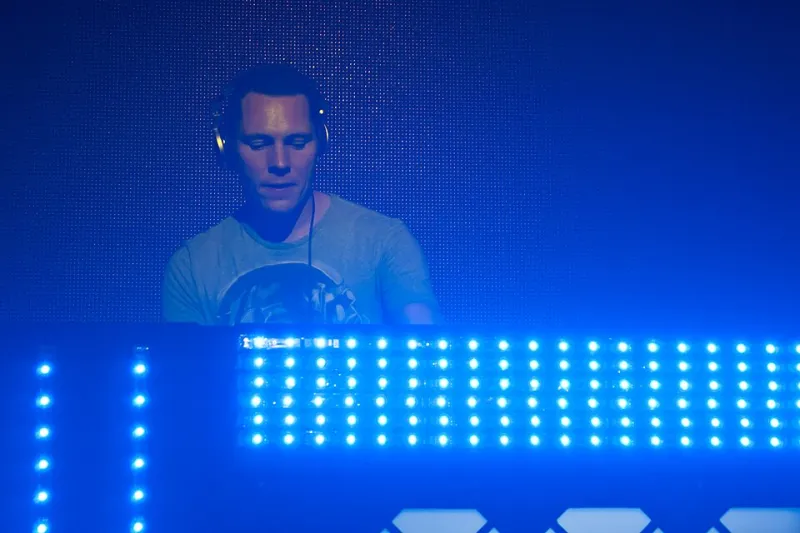
Photo: Vyacheslav Argenberg, CC BY 4.0, via Wikimedia Commons
There's a moment every sample-based producer knows. You're three hours deep into a rabbit hole—some regional gospel compilation from 1987, a forgotten freestyle posted to a Blogspot comment section, a demo reel buried on an artist's old Bandcamp page—and then you hear it. That voice. The one that makes the hair on your neck stand up and your DAW cursor start moving on its own.
The vocal sample gold rush is real, and it's reshaping how independent producers build their sound, their catalog, and honestly, their whole career. It's not glamorous work. But for the producers who've cracked it, finding the right a cappella can be the difference between a track that moves units and one that just moves air.
The Hunt Is Half the Music
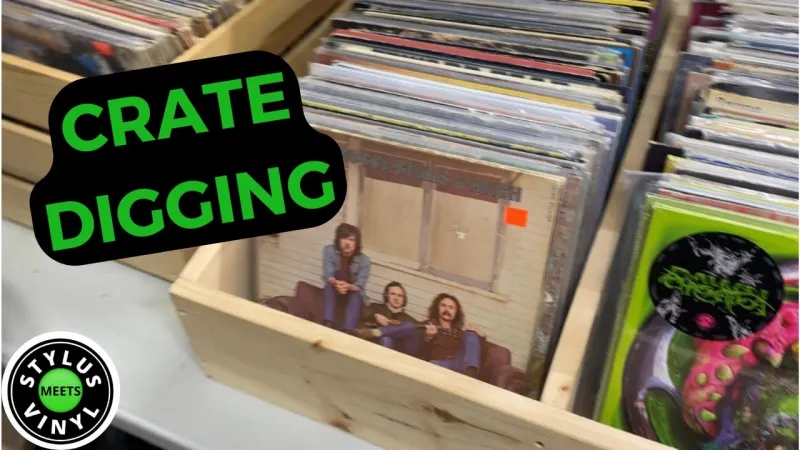
Ask any producer deep in the vocal sampling game and they'll tell you the same thing: the search is its own creative process. It's not just about finding something that sounds good—it's about finding something that sounds forgotten. Something with texture, with history, with a little grit baked in.
Producers are combing through regional R&B compilations on Discogs, hitting up estate sales for cassette tapes, and sliding into the DMs of retirement-age session vocalists who haven't thought about their 1994 demo in decades. Some are working through networks of music librarians and archivists who specialize in exactly this kind of obscure material. Others are using AI-assisted audio search tools to scan through terabytes of uploaded content looking for uncleared vocal hooks.
The point isn't just novelty. A vocal that nobody's heard carries emotional weight precisely because it hasn't been overplayed. Listeners don't have an existing association with it. You get to write that association for them.
The Legal Gray Zone Nobody Wants to Talk About
Here's where things get complicated—and where a lot of producers quietly look the other way.
Sampling a vocal, even a tiny snippet, without clearing rights is technically copyright infringement. Full stop. But in practice, the enforcement landscape is uneven enough that plenty of tracks slide through with uncleared samples for months or even years before anyone notices. By then, some of those tracks have already racked up serious streaming numbers.
The legal framework in the US hasn't kept up with the speed of digital production. There are two separate copyrights in play with any recorded vocal: the composition (the underlying song) and the master recording (the specific recorded performance). Clear one and not the other? You're still exposed. And if the original artist signed to a label that's since been acquired, figuring out who actually owns the rights can feel like doing genealogy research on a family that actively doesn't want to be found.
Some producers lean on the "de minimis" argument—the idea that a sample so short or so transformed can't constitute infringement. Courts have been inconsistent on this. The Sixth Circuit has taken a harder line than other circuits, and the famous Bridgeport v. Dimension Films ruling essentially said any sampling of a sound recording, no matter how small, requires a license. That ruling technically only binds courts in the Sixth Circuit, but it's cast a long shadow over the whole industry.
Bottom line: if your track blows up, the sample will get flagged. Plan accordingly.
How the Smart Producers Are Handling It
The producers who've built sustainable careers around vocal sampling aren't just good at finding sounds—they're good at doing their homework before the track drops.
A few approaches that are actually working:
Direct artist outreach. This sounds obvious, but it works more often than you'd think. Independent artists who recorded vocals that never found an audience are frequently open to licensing deals, especially if you're bringing them a cut of streaming revenue and some renewed visibility. A simple, respectful message explaining what you want to do and offering fair compensation goes a long way. Most people aren't trying to sue you—they just want to be acknowledged.
Interpolation over sampling. Instead of lifting the original recording, some producers are hiring vocalists to re-record the performance they love. This sidesteps the master recording copyright entirely and only requires clearing the composition—which is often simpler and cheaper, especially if the original song was never a hit.
Royalty-free and creative commons libraries. Sites like Looperman, Splice, and ccMixter host a massive range of vocal content with pre-cleared licensing. The quality varies wildly, but producers who know how to dig can find genuinely usable material. The trick is processing it enough that it doesn't sound like a stock asset.
Working with music attorneys early. It costs money upfront, but having an entertainment attorney review your clearance situation before a track goes wide is a lot cheaper than settling a lawsuit after the fact. Several firms in LA and New York specialize specifically in sample clearance and can move fast when a release is time-sensitive.
The Ethical Side of the Conversation
Beyond the legal stuff, there's a conversation happening in producer communities about what's actually fair—especially when the original vocalists are often Black artists from under-resourced backgrounds whose work was never properly compensated in the first place.
Sampling has always had a complicated relationship with attribution and credit. The producers who are doing it right aren't just clearing the paperwork—they're crediting original artists prominently, telling the story of where the vocal came from, and in some cases helping resurface careers that were unfairly cut short. There's something genuinely beautiful about a voice recorded in 1979 finding a new audience in 2025. But that beauty comes with responsibility.
The producers who treat this as pure resource extraction—mining old recordings without acknowledgment or compensation—are the ones who eventually find themselves on the wrong end of both a lawsuit and a Twitter thread.
Where to Start If You're Just Getting Into It
If you're a producer who wants to explore vocal sampling without immediately getting into legal trouble, here's a practical starting point:
- Start with pre-cleared libraries. Build your ear for what works before you start hunting in legally murky territory.
- Learn basic copyright law. You don't need a law degree, but understanding the difference between master and composition rights will save you serious headaches.
- Document everything. Keep records of where every sample came from, when you found it, and any communication you've had with rights holders.
- Build relationships. The producers who consistently find great vocal material aren't just lucky—they've spent years cultivating connections with archivists, session musicians, and independent artists.
- Budget for clearance. If you're serious about releasing music commercially, treat sample clearance as a production cost, not an afterthought.
The vocal sample gold rush isn't slowing down. If anything, as more archived recordings get digitized and more independent artists upload their back catalogs, the supply of raw material is only going to grow. The producers who figure out how to mine it responsibly—legally, ethically, creatively—are the ones who'll still be building careers off it ten years from now.
The voice is out there. Go find it. Just do it right.