When the Vibe Dies in the Studio: How Chasing Big Names Can Hollow Out Your Sound

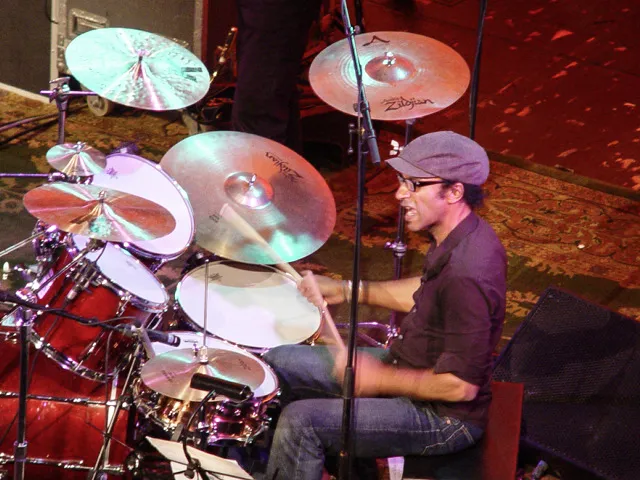
Photo: IthakaDarinPappas, CC BY-SA 4.0, via Wikimedia Commons
There's a moment a lot of indie and electronic producers know all too well. You've been grinding in your bedroom, building a sound that's genuinely yours — weird textures, off-kilter rhythms, maybe some production choices that make people tilt their head before they nod it. Then you land a collab with someone bigger, trendier, or more connected. And somewhere between the first session and the final mixdown, your fingerprints disappear from the record entirely.
That's the collab trap. And it's way more common than people admit.
The Allure of Co-Signs (And Why They're Dangerous)
Let's be honest: the appeal makes total sense. In the DIY music world, visibility is everything. Getting your name next to someone with 500K monthly Spotify listeners or a cosign from a respected label-adjacent producer feels like a shortcut to legitimacy. And sometimes it is. But there's a fine line between a strategic partnership and creative self-erasure.
The problem isn't collaboration itself — it's collaboration driven by clout instead of chemistry. When you enter a session thinking about what this person's audience will think rather than what the music actually needs, you've already started compromising. You start softening your edges. You swap your signature sound for something more palatable, more familiar, more them. And by the time the track drops, even your most loyal listeners are squinting at it going, "Wait, is this even you?"
Real Talk: When the Credits Don't Tell the Whole Story
You don't have to look far to find examples of this dynamic playing out in real time. Think about the wave of underground electronic producers who broke through on SoundCloud with raw, experimental stuff — blown-out 808s, unconventional song structures, samples that had no business working together. Then they'd link up with a more commercially polished producer or a trending singer, and the resulting project would be... fine. Competent. Utterly forgettable.
Producers who've been through this tend to describe it the same way: a slow drift. Nobody explicitly tells you to sand down your sound. It just happens through a series of small compromises. The bigger name suggests a different drum pattern. The guest vocalist wants a more conventional chord progression. The manager nudges toward something "more accessible." Each individual ask seems reasonable. Collectively, they strip the track of everything that made your work worth paying attention to in the first place.
One bedroom producer based out of Atlanta — who's been open about this experience in interviews — described finishing a high-profile collab and not even wanting to perform it live. "It didn't feel like mine," he said. "I got the placement, the streams were decent, but I felt like I'd handed my sound over and got a check back instead of a song."
The Difference Between Collaboration and Absorption
Here's the thing: great collabs don't erase anyone. They multiply. Think about the best creative partnerships in electronic and indie music — the ones where both artists' DNA is audible in the final product. Those sessions work because both people came in with a clear sense of what they bring to the table and a genuine curiosity about what the other person does.
The key word is chemistry. Not compatibility. Not convenience. Chemistry means there's friction, there's surprise, there's a result neither of you could've gotten to alone. That's the whole point.
Absorption, on the other hand, is what happens when one artist's aesthetic overwhelms the other's. And in an unequal power dynamic — which most collabs with "bigger names" inherently are — it's almost always the smaller artist who gets absorbed. Your sound becomes seasoning in someone else's dish.
How to Protect Your Sonic Identity Without Being a Hermit
So what's the move? You don't have to swear off collaboration to protect your sound. You just have to be more intentional about it.
Know your non-negotiables before you walk in. What are the two or three elements that make your production unmistakably yours? It might be a specific approach to low-end, a habit of using found sounds, a tendency toward odd time signatures. Whatever it is, name it. Write it down if you have to. Those are the things you don't trade away, no matter how much clout is sitting across the studio from you.
Vet chemistry before committing to a full project. A single session — even just an afternoon messing around with sounds — tells you everything you need to know about whether a collab will elevate or flatten your work. If you leave that session feeling inspired and more like yourself, that's a green light. If you leave feeling like you spent four hours translating yourself into someone else's language, pump the brakes.
Be upfront about creative ownership from jump. The awkward conversations about direction, credits, and creative control are a thousand times easier to have before you've invested weeks into a project. Producers who skip this step almost always regret it.
Choose collaborators who are fans of what you actually do. This sounds obvious, but it's routinely ignored. If the person you're working with has never engaged with your music — if they're collaborating with you because you're available, affordable, or can help them hit a deadline — that's not a partnership. That's a service transaction. Nothing wrong with service transactions, but don't confuse them for creative collabs.
The Long Game
Here's what the collab trap often obscures: your sound is your leverage. In a landscape where bedroom producers are going viral and building real audiences without label infrastructure, the artists who last are the ones with something identifiable. The producers who get absorbed by bigger names in pursuit of short-term visibility almost always end up having to rebuild their sonic identity from scratch later — sometimes after audiences have already moved on.
The grind to develop a signature sound is slow and unglamorous. Protecting it once you have it requires a different kind of discipline. But it's worth it. Every single time.
Collaborate freely. Experiment wildly. Just don't let the guest list be the reason you show up to the session. The best thing you can bring to any collab is a fully formed version of yourself — and the confidence to keep it intact when the session gets complicated.
Your sound is the whole point. Don't give it away for a feature credit.