Algorithm Whisperers: The DIY Electronic Producers Quietly Taking Over Spotify in 2024
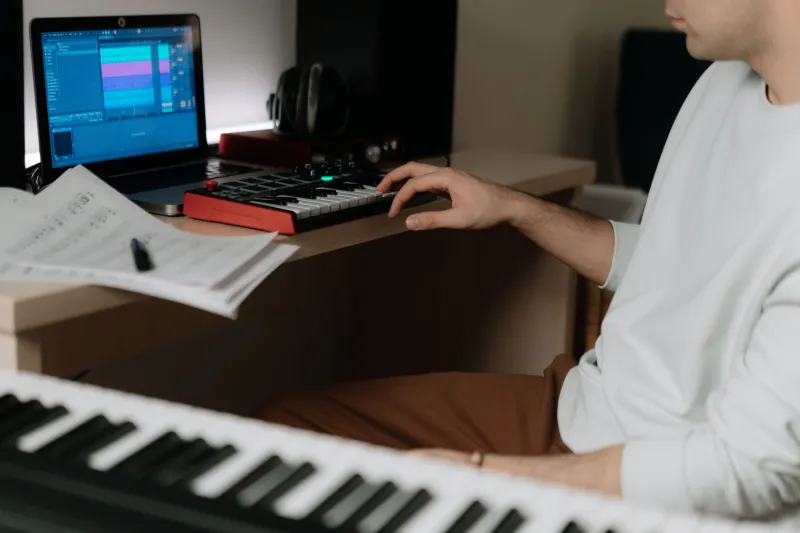
There's a quiet revolution happening in electronic music, and it's not being led by some A&R exec in a midtown Manhattan office. It's being run out of apartments in Detroit, spare bedrooms in Austin, and basement studios in Portland by producers who never asked for permission — and are getting results that would make a major label blush.
Spotify's editorial and algorithmic playlists used to feel like a velvet rope situation. You needed connections, a PR firm, or a label with clout just to get a song considered. But in 2024, that dynamic has quietly shifted. A new class of independent electronic and indie producers has figured out how to work the system — not by gaming it, but by understanding it at a fundamental level and creating music that genuinely connects.
We tracked down four of these artists and broke down exactly how they're doing it.
Maren Soleil — Ambient Techno with a Purpose
Maren Soleil is based out of Minneapolis and has been releasing music under that moniker since 2021. Her sound sits somewhere between Brian Eno's ambient work and the grittier edges of UK club culture — slow-building, textured, and deeply atmospheric. What's interesting isn't just the music; it's her release cadence.
Instead of dropping an album and going quiet, Maren releases singles every four to six weeks. Each one is paired with a very specific mood tag strategy through her distributor (she uses DistroKid with the Spotify for Artists pitch tool). She pitches every single at least seven days before release — no exceptions — and she writes her own pitch copy with laser focus on mood and activity rather than genre.
"I stopped calling my music 'ambient techno' in pitches," she told us. "I started describing it as 'focus music with a pulse' and 'late-night drive energy.' That's what people actually search for."
The result? Three editorial playlist placements in the last year, including a spot on Spotify's Electronic Concentration playlist, which pushed one of her tracks past 200,000 streams without a single dollar spent on advertising.
Felo Park — The Art of the 90-Second Hook
Felo Park is a producer out of Atlanta who makes what he calls "future funk" — chopped samples, punchy 808s, and melodies that feel simultaneously nostalgic and alien. His tracks rarely run longer than three minutes, and that's completely intentional.
Spotify's algorithm rewards completion rates. If listeners make it to the end of your song, the algorithm takes notice. Felo figured this out early and reverse-engineered his entire production approach around it. His intros hit within the first eight seconds. His drops come fast. And his tracks almost always end with a hook reprise that makes you want to replay it immediately.
"I think about it like a short film," Felo explained. "You've got to grab someone in the first frame. Nobody's waiting around anymore."
He also leans hard into playlist pitching through his Spotify for Artists dashboard, but he's strategic about which playlists he targets. Rather than swinging for the biggest playlists, he focuses on mid-tier editorial lists with 50,000 to 300,000 followers — the kind where a placement actually moves the needle on your listener count without getting lost in a shuffle of 500 other tracks.
His track Drift Season landed on four playlists in the same month it dropped, generating a cascade of algorithmic playlist adds — the kind that compound over time.
Yuki Strand — Sonic Consistency as a Strategy
Yuki Strand is a producer from Seattle who makes hypnotic, downtempo electronic music with a heavy Japanese city-pop influence. What sets Yuki apart isn't just the sound — it's how consistent that sound is across every release.
When Spotify's algorithm identifies your catalog as belonging to a specific sonic world, it gets better at recommending your music to listeners who already vibe with that world. Yuki understood this and has been meticulous about maintaining a cohesive sonic identity. Same BPM range. Similar key signatures. Consistent production aesthetic — warm, slightly lo-fi, with deliberate space in the mix.
"I made a decision early on that I was going to be the person for this specific feeling," Yuki said. "Not trying to do everything. Just one lane, done really well."
That focus paid off. Spotify's Radio and Autoplay features started pulling Yuki's tracks into sessions for listeners of artists like Tomppabeats and Idealism. That passive discovery has built a listener base of over 40,000 monthly listeners — almost entirely organic — in under two years.
DRXP — Community First, Algorithm Second
Not everyone on this list is playing the long Spotify game in isolation. DRXP, a producer and DJ based in Chicago, has built his streaming numbers by investing heavily in community before worrying about algorithms.
His strategy is almost old-school in its simplicity: he's deeply embedded in online communities — subreddits, Discord servers, producer forums — where he shares work, gives feedback to other artists, and genuinely participates. When he drops music, those communities show up. And when a track gets a burst of saves and playlist adds from real, engaged listeners in a short window, the algorithm notices.
"The algorithm isn't magic," DRXP said. "It responds to human behavior. So I focus on real humans first."
He's also been intentional about collaborating with other independent producers in his network, which cross-pollinates fan bases and creates natural moments of discovery. His collab track with Chicago producer Pale Tide hit 80,000 streams in its first month — more than anything either artist had done solo.
What You Can Take From This
These four producers aren't operating on luck. They're making deliberate choices — about sound, release strategy, pitch copy, and community — that stack up over time. Here's the short version of what's working:
- Pitch early and pitch smart. Use Spotify for Artists' pitch tool at least a week before release. Focus on mood and activity descriptors, not just genre labels.
- Think about completion rates. Make your intros count. Don't bury your best moments.
- Stay in your lane sonically. The algorithm rewards consistency. Pick a world and own it.
- Mid-tier playlists are your best friend. A placement on a 100,000-follower playlist will do more for your career right now than a one-day appearance on a mega-list.
- Build real community. Streams from engaged listeners carry more algorithmic weight than passive ones.
The gatekeepers aren't gone, but the gates are definitely less locked than they used to be. These producers are proof that with the right approach, original sound and raw energy can find their audience — no label required.