How to Turn a Laundromat Into Your Best Marketing Budget: The DIY Venue Playbook
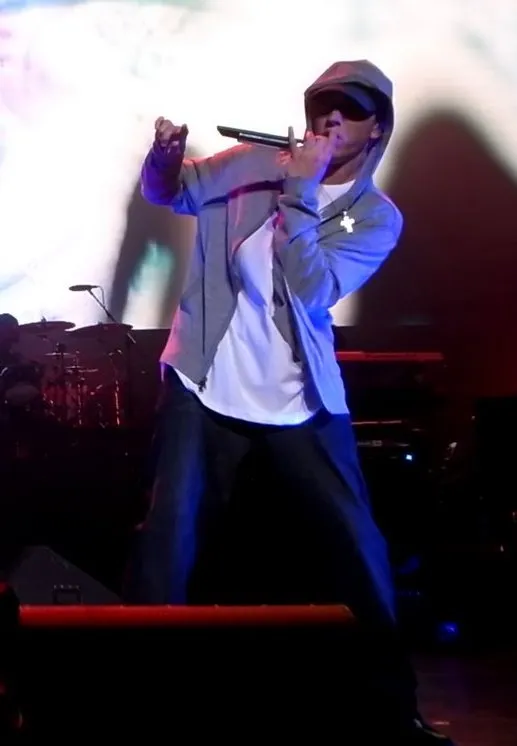
Photo: http://www.glenjamn.com/, CC BY-SA 3.0, via Wikimedia Commons
Let's be honest about the math of a normal indie show. You rent a venue or take a door deal. You draw 15 people, half of whom are other people on the bill. You walk away with $40 and a phone full of blurry crowd shots. That's not marketing. That's a donation to the bar.
Now compare: a pop-up set in a laundromat, filmed on one camera, that racks up 80,000 views and three comments saying 'what IS this place, I need to go.' That's marketing. And it cost you a case of seltzer and a favor.
Weird spaces work because they do three things a club can't.
Why Strange Rooms Make Great Shows
Novelty is the hook. Nobody tells their friends about the time they saw a DJ at a bar. Everybody tells their friends about the time they saw a DJ in a parking garage with the cars still in it. Unusual venues are inherently shareable — the location is part of the content.
Small rooms create superfans. In a 400-cap club, a fan is a number. In somebody's backyard with 40 people, they're a participant. Proximity breeds loyalty, and loyalty is the only currency that survives algorithm changes.
The economics are absurd. No door split, no sound engineer, no $600 minimum. Your costs are basically power, a permit (maybe), and whatever gear you already own.
The Menu of Weird Venues
- Laundromats and 24-hour spots. Great acoustics in a tiled room, built-in lighting, and a captive audience folding towels. Ask the owner during dead hours; many love the community buzz.
- Parking garages. Concrete reverb for days, built for sound systems. Rooftop levels at sunset are undefeated. Get property owner permission in writing.
- Backyards and lots. The classic. Keep it neighbor-friendly: end by a reasonable hour, control the guest list.
- Record stores, bookshops, galleries. These want foot traffic. Offer to bring 30 people and they'll often say yes on the spot.
- Rooftops, bridges-under, tunnels. Check local laws. Some spots are magic; some are misdemeanors. Know which is which before you load the van.
The Boring-but-Critical Stuff
Get permission, in writing, from whoever controls the space. A text message is better than nothing; a signed one-pager is better than a text. It protects you and the owner.
Permits vary wildly. Many cities require a special event permit for gatherings over a certain size on private property, and amplified sound outdoors is often regulated separately. Call your city clerk's office — a 15-minute call can save you a four-figure fine. Some cities (looking at you, anywhere with noise ordinances) have cut-and-dry decibel and curfew rules.
Fire capacity is not a suggestion. If you're indoors, know the safe headcount and stay under it. Overcrowding is how DIY venues die and how scenes get police attention.
Have a noise plan. Battery-powered speakers for small sets, or keep volume modest and let the space do the work. A laundromat set doesn't need a function-one rig; it needs vibe and a good phone mic position.
Insurance: If you're doing this regularly, a basic event liability policy runs cheaper than you'd think and covers the nightmare scenario.
Content Strategy: Film Everything, Curate Ruthlessly
The show is the product; the footage is the distribution. A few rules:
- One dedicated camera person. Not you — you're performing. A friend with a phone on a gimbal is fine. Shoot the crowd, not just the artist. Faces reacting to music in a laundromat sell the vibe better than any promo clip.
- Capture clean audio. A recorder plugged into the mixer, or a phone placed smartly near the speaker. The difference between postable and unpostable is usually audio.
- Vertical clips, 30–60 seconds, hook in the first two. The location IS the hook — show it immediately.
- Tag the space and the neighborhood. Local hashtags and location tags pull in the people who'll actually come to the next one.
Turn Attendees Into the Street Team
End every weird-venue show with a low-friction capture: a QR code to your text list, a 'next one's invite-only' tease, a location-specific merch drop. People who attended something unusual feel like insiders. Treat them that way and they'll bring four friends to the parking garage next month — which is how a laundromat set becomes a scene, and a scene becomes a career.