From Bedroom to Blockbuster: How Indie Producers Are Cracking the Sync Licensing Game
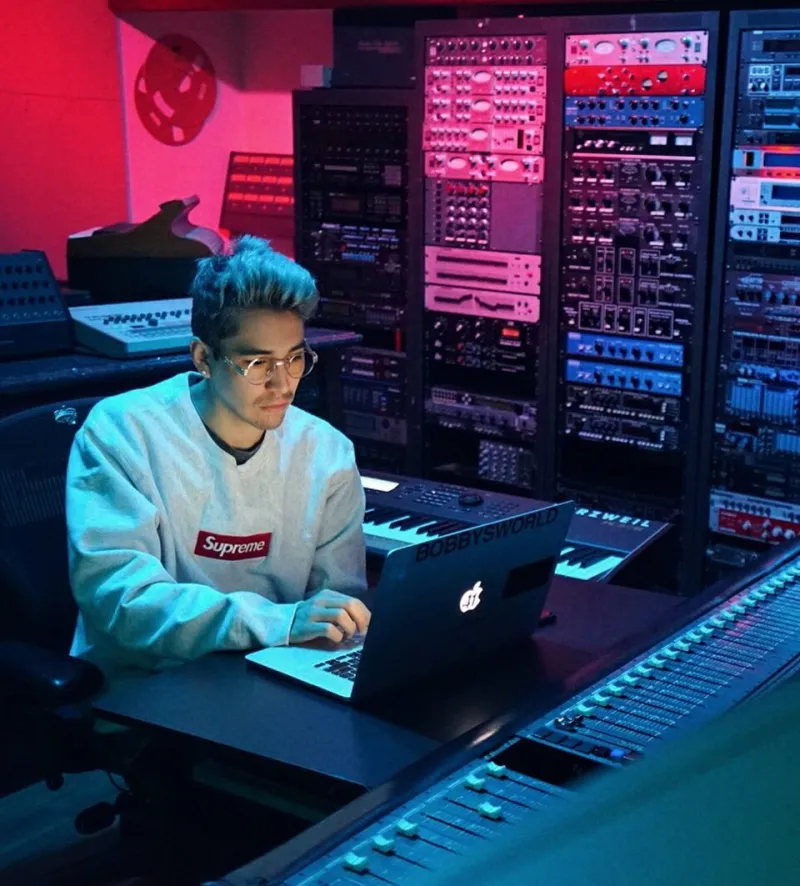
Photo: TheEditor0624, CC BY-SA 4.0, via Wikimedia Commons
Not long ago, if you were an unsigned producer making beats in your spare bedroom, the idea of your music scoring a Netflix scene or soundtracking a TikTok trend with millions of views felt about as realistic as winning the lottery twice. The sync licensing world was a locked room — you needed a publisher, a rep, a handshake deal, and probably a last name that meant something in Los Angeles.
That world is dissolving fast. And the producers replacing it? A lot of them are people just like you.
What Sync Licensing Actually Means (and Why It Pays)
Let's cut through the jargon real quick. A sync license — short for synchronization license — is what happens when your music gets paired with moving visuals. A TV show, a movie, a YouTube ad, a TikTok sound, a Hulu documentary. Every time that pairing happens legally, someone gets paid. That someone can now be you.
The money varies wildly. A single TikTok sound that goes viral might net anywhere from a few hundred bucks to several thousand, depending on the deal structure. A Netflix placement? We're talking anywhere from $2,000 on the low end for an indie production to $50,000 or more for a prime-time scene in a prestige series. One well-placed track can generate more income than months of streaming royalties ever would.
And here's the kicker — unlike streams, sync deals often come with upfront flat fees. No waiting for pennies to accumulate. You pitch, you land, you get paid.
The Old Gatekeepers Are Losing Their Grip
The traditional sync pipeline ran through major publishers and music supervisors who had established relationships with studios and networks. If you weren't already in that ecosystem, your demo landed in a trash folder — if it landed anywhere at all.
What changed? A few things converged at once.
First, the sheer volume of content exploded. Netflix alone releases hundreds of original titles a year. Hulu, Amazon, Apple TV+, and a dozen smaller platforms are all hungry for music. That demand outpaced what traditional publishers could supply, cracking the door open for independent catalogs.
Second, platforms like Musicbed, Artlist, Epidemic Sound, and Musicbed built legitimate licensing infrastructure that didn't require a major label relationship to access. Producers submit tracks, get vetted, and suddenly their music is available to content creators, ad agencies, and production companies worldwide.
Third — and this one's huge — TikTok essentially democratized sync culture. A sound doesn't need a formal license to explode on the platform, but when brands and creators start wanting to use that sound commercially, the licensing conversations get serious fast. Bedroom producers have woken up to emails from brand managers they never expected to hear from.
Real Producers, Real Placements
Take the case of a Chicago-based electronic producer who goes by Mossfield. Working entirely out of a converted closet studio, he submitted a batch of ambient electronic tracks to Artlist in 2022. Within eight months, one of those tracks ended up in a travel documentary series on a major streaming platform. The placement fee covered six months of rent. He's since built a catalog specifically designed for sync, and licensing now accounts for over 60% of his income.
Or consider a Brooklyn-based indie pop duo who landed a TikTok brand partnership after one of their self-released tracks got picked up organically by a lifestyle creator with 800k followers. The brand — a mid-size athletic wear company — reached out directly through their distributor's contact info. The deal wasn't massive, but it led to two more placements through the same agency.
These aren't flukes. They're the new normal for producers who understand how to position their music.
What Music Supervisors Are Actually Hunting For
Here's where a lot of producers waste their shot — they pitch whatever they're most proud of rather than what actually serves a scene. Music supervisors aren't looking for your best track. They're looking for the right track.
Right now, there's consistent demand for:
- Instrumental or low-lyric content — Lyrics compete with dialogue. Clean instrumentals are easier to place.
- Emotional clarity — A track needs to do one emotional job really well. Uplifting, tense, melancholic, triumphant. Muddy vibes don't place.
- Stems and alternate mixes — Supervisors love flexibility. If you can offer a version without the drop, without the bass, without the lead melody, you're already ahead of most submissions.
- Clean metadata — Title, BPM, key, mood tags, genre. If a supervisor can't search for your track efficiently, it doesn't exist.
- Cleared samples — This is non-negotiable. If your track contains an uncleared sample, it's dead on arrival for sync. Period.
How to Actually Get Your Music in Front of the Right People
You don't need to move to LA. You don't need a manager. Here's a practical starting point:
1. Build a sync-ready catalog. Start producing tracks specifically with placement in mind — think about what emotions they evoke and what visual context they'd fit. Variety helps. Depth in a niche helps more.
2. Get on non-exclusive licensing platforms. Artlist, Musicbed, Pond5, and Audiojungle all accept independent submissions. Non-exclusive means you keep the right to pitch elsewhere simultaneously.
3. Research sync libraries that match your sound. Don't spray and pray. Find libraries that already license music similar to yours. If your sound is dark electronic, look at who's licensing dark electronic and approach them directly.
4. Follow music supervisors on LinkedIn and social media. Many of them post about what they're looking for. Some even accept cold pitches via email — but only if you've done your homework and are submitting something genuinely relevant.
5. Register everything with a PRO. If you're not registered with ASCAP or BMI, do it today. Performance royalties from broadcast placements are real money, and you can't collect them if you're not registered.
The Financial Reality Check
Let's be honest — most sync placements aren't life-changing on their own. A single placement in a YouTube ad might pay $300. A trailer cue might pay $1,500. The math only gets exciting when you're generating multiple placements consistently, or when one track catches serious traction.
But here's the thing about sync income that streaming income can't touch: it compounds differently. A track placed in a show that gets renewed keeps generating performance royalties every time that episode airs. A sound that becomes a TikTok trend can generate licensing inquiries for months. You're not just selling a song — you're potentially building a revenue stream with legs.
For indie producers who've been grinding on Spotify hoping the algorithm notices them, sync licensing represents something genuinely different: a direct transaction where the value of your work is recognized and compensated upfront.
The Door Is Open — Walk Through It
The gatekeepers haven't disappeared entirely, but the fence they're guarding has a lot more holes in it than it used to. Independent producers with strong catalogs, clean metadata, and a basic understanding of how sync works are landing placements that would have been impossible five years ago.
Your music doesn't need a label cosign to end up in a scene that hits somebody right in the chest at 2am. It needs to be good, it needs to be findable, and you need to actually put it in front of people.
Start building that catalog. Start submitting. The placement you're imagining isn't as far off as it feels.